Things to Do in Austria
Schnitzel so thin you can read through it, mountains that make postcards weep
Top Things to Do in Austria
Find activities and tours you'll actually want to do. Book through our partners -- no booking fees.


Plan Your Trip
Essential guides for timing and budgeting
Climate Guide
Best times to visit based on weather and events
View guide →Day Trips
The best excursions and nearby destinations worth the journey
Explore day trips →Where to Stay
Best neighbourhoods, hotel picks, and booking tips
Find hotels →Travel Insurance
What's required, what coverage matters, and how to get a quote
Read guide →What to Pack
Climate-specific gear, essentials, and what to leave at home
See packing list →When Should You Visit Austria?
Tap a month for weather, crowds, and highlights
View full year-round climate guide →


Your Guide to Austria
About Austria
Austria begins with snow crunching under boots in Vienna's first snowfall, roasted chestnut smoke curling from the cart outside the Ringstrassen's neo-Gothic Rathaus. By 8 AM you're wedged among commuters on the U-Bahn from Karlsplatz to Praterstern, clutching a butter-soft Kipferl and espresso that finally proves someone understood coffee.
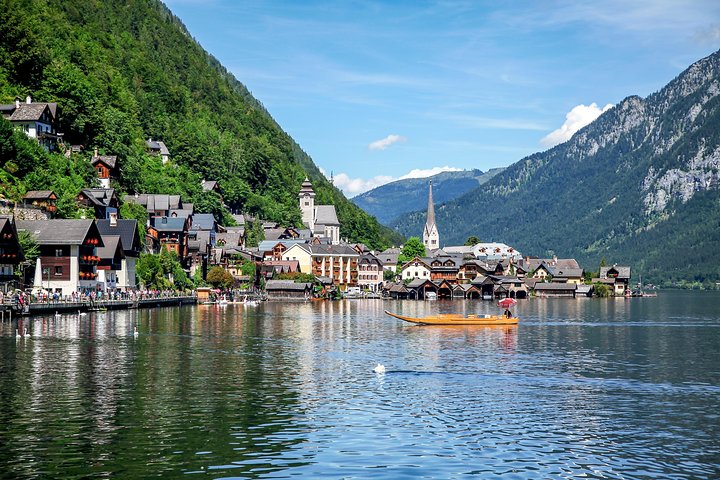
Salzburg's Getreidegasse is narrower than imagined; wrought-iron shop signs clink overhead while Mozartkugel shops lure you with chocolate and glossy boxes. The Wachau Valley's terraced vineyards pour Grüner Veltliner at Heuriger taverns where grandmothers still roll dumplings by hand, and Hallstatt's wooden boathouses mirror water so still you see your own face warped by centuries of salt mining.
The trade-off is real. July packs Innsbruck's Altstadt shoulder-to-shoulder, and that Sound of Music tour you swore off suddenly feels sane when rain refuses to quit. Then the Nordkettenbahn lifts you above the clouds, paragliders launching from 2,000-meter drops, and you grasp why Austrians call their country 'the heart of Europe' without a trace of irony.
Innsbruck sits where the Inn Valley tightens between two mountain walls, and that compression creates its own set of choices, whether the Nordkette cable car deserves a morning or a full day, how far the Altstadt repays walking beyond the Golden Roof, when winter ski-season pricing spills into the shoulder months, and TTDI's Innsbruck street-level read works through those decisions at the detail this country page can't carry.
Salzburg splits along the Salzach, the Old Town and fortress on one bank, Mirabell Palace and the Linzer Gasse on the other. That divide shapes every visit, the funicular versus the steep walk up to Hohensalzburg, Festival weeks in July and August versus shoulder-month calm at half the room rate, so TTDI's Salzburg decision map works through the city-level calls this country page can only sketch.
Travel Tips
Transportation: Download the ÖBB app and treat it like oxygen. Book regional trains 3 days ahead for SparSchiene fares that slash the Vienna-Salzburg fare to pocket change. City passes are sensible: Vienna's 24-hour ticket edges Salzburg's in price. Yet both cover mountain lifts in Innsbruck. Ride the City Airport Train; it's faster than taxis and costs about the same as a decent lunch. Rural buses vanish on Sundays. Rent a car for alpine lakes. The vignette toll sticker is mandatory. Skip it and they'll fine you on the spot.
Money: Cash still rules. Most neighborhood restaurants refuse cards under a certain threshold, and foreign chip cards get rejected at small bakeries. Stick to Erste Bank and Bank Austria ATMs. They skip international fees while others gouge mercilessly. Tip 5-10% rounded up; a couple coins on a lunch bill keeps service smooth. Grocery stores sell local wine in liter bottles for half the Heuriger price. Austria uses the Euro. But prices run higher than Germany, so that mid-range lunch plate costs more than across the border.
Cultural Respect: Say 'Grüß Gott' when entering shops; Salzburg locals will echo it back. Quiet hours (Ruhezeit) run 10 PM-6 AM and all day Sunday. No vacuuming or loud music even in hotels. In Viennese coffee houses order 'eine Verlängerte' for espresso with hot water; it's the closest to American drip without screaming tourist. Austrians queue differently. Bakeries and ticket counters have implied order. But regulars may cut. Wait your turn. Don't expect formal lines.
Food Safety: Street food is regulated; Würstel stands use proper refrigeration and currywurst won't send you running. The real danger is over-ordering; one Schnitzel can satisfy two hungry hikers. Tap water is glacier-fed and better than bottled. Ask for 'Leitungswasser' to dodge the still-water surcharge. At Naschmarkt, vendors offer samples. But the cheese guy expects a purchase after tasting. Insider tip: bakeries slash prices after 4 PM, so that slice of Sachertorte becomes an evening bargain.
When to Visit
January locks Vienna in winter chill with Christmas markets gone and hotel prices down by a third. Museums and opera standing tickets cost less than coffee. February brings Carnival (Fasching) with masked balls and gala tickets ranging from mid-range to splurge, while alpine ski resorts hit peak pricing. March thaws. Brown slopes mean off-season deals and Salzburg's Easter markets start late March with spiced wine that won't empty your wallet.
April showers don't stop hikers. Mild temperatures bring wildflowers to the Wachau and hotel rates feel sane. May is golden: perfect weather, lilacs in palace gardens, outdoor concerts cheaper than museum tickets. June delivers ideal temperatures and long daylight; Sound of Music bike tours and lake swimming near Salzburg shine.
July and August roast with 50% price hikes and shoulder-to-shoulder crowds in Hallstatt. Alpine hiking stays cool above 1,500 meters. September cools to comfortable temps with wine harvest festivals and tastings at mid-range prices. October paints the hills and slashes hotel rates, though mountain lifts close mid-month.
November is gray and rainy. Hotels are cheap but Christmas markets don't start until late November. December sparkles with markets and crisp air. Glühwein and bratwurst at Vienna's Rathaus taste better when your breath turns to frost.
Frequently Asked Questions
What Are the Best Things to Do in Vienna?
Vienna offers excellent museums like the Kunsthistorisches Museum and Belvedere Palace (home to Klimt's 'The Kiss'), grand coffeehouses like Café Central for Sachertorte, and the Schönbrunn Palace gardens. The Naschmarkt is good for sampling Austrian wines and street food, while an evening at the State Opera (standing room tickets start around €10) gives you accessible high culture. In summer, don't miss the open-air film festival at Rathausplatz.
What Should I Do in Salzburg Beyond the Sound of Music Tour?
Salzburg's Altstadt (Old Town) is a UNESCO site with the cliff-top Hohensalzburg Fortress offering panoramic views, Mozart's birthplace on Getreidegasse, and the Mirabell Gardens where locals spend their afternoons. The DomQuartier museum pass (€13) connects four museums through the Archbishop's former residence. For a quieter experience, walk up the Mönchsberg trail for views over the Salzach River and grab a beer at the clifftop Augustiner Bräu brewery, Salzburg's largest beer hall since 1621.
What Adventurous Activities Can I Do in Austria?
The Dachstein region offers year-round glacier hiking and the 'Five Fingers' viewing platform (which juts out over a 400m drop), while the Ötztal Alps have via ferrata routes ranging from beginner to expert. In summer, try canyoning in the Salzkammergut gorges near Hallstatt or paragliding from the Krippenstein summit (tandem flights around €150). Winter brings backcountry skiing in Arlberg, ice climbing in Stubai Valley, and tobogganing runs like the 14km Rodelbahn Axamer Lizum near Innsbruck.
How Should I Plan a Route to See Austria?
The classic route is Vienna (3 days) → Salzburg (2 days) → Hallstatt (1 day) → Innsbruck (2 days), easily connected by ÖBB trains with the Österreichcard pass starting around €162 for three days. If you have more time, add Graz for its old town and culinary scene, or the Wachau Valley for wine country between Vienna and Salzburg. Rent a car only if you're exploring smaller alpine villages or doing serious hiking, since trains reach all major destinations and parking in city centers runs €20-30/day.
Where Should I Go in Austria in Winter?
Winter demands either the Christmas markets (Vienna's Christkindlmarkt and Innsbruck's Altstadt markets run late November through December) or the ski resorts. St. Anton, Ischgl, and Kitzbühel offer reliable snow and lively après-ski, while families prefer gentler slopes in Seefeld or the Zillertal Valley. For non-skiers, Hallstatt is memorable under snow with far fewer crowds, and the thermal spas in Bad Gastein provide a warm retreat after a day exploring snowy alpine towns.
What Can I Do for Free in Austria?
Vienna's Prater park (home of the giant Ferris wheel) is free to enter, as are the gardens at Schönbrunn and Belvedere palaces. Most churches, including St. Stephen's Cathedral in Vienna and the Franciscan Church in Salzburg, welcome visitors without charge. Hiking trails throughout the country are free and well-marked, from the Almkanal river walk in Salzburg to alpine routes in Tirol. Many museums offer free entry on the first Sunday of the month, and Vienna's Rathaus hosts free summer concerts and winter ice skating.
What Makes Hallstatt and the Dachstein Salzkammergut Special?
Hallstatt is the impossibly photogenic lakeside village with pastel houses that goes viral every summer, but it's mobbed by day-trippers between 10am-4pm. Stay overnight to see it empty at dawn, visit the 7,000-year-old salt mine above town, or take the cable car to the Skywalk viewing platform. The broader Salzkammergut region includes 76 alpine lakes, the Dachstein Ice Caves (open May-October), and quieter villages like Obertraun and Bad Aussee where you'll find traditional lake swimming culture and far fewer tourists.
Are the Dachstein Caves Worth Visiting?
The Dachstein Giant Ice Cave and Mammoth Cave are impressive, with cathedral-sized ice formations that remain frozen year-round. Tours last about 50 minutes, run May through October, and cost around €25 combined with the cable car. The ice cave can feel slippery, so wear good shoes, and bring a jacket since it's near freezing inside. Book the first morning tour (9am) to avoid crowds, and if weather permits, continue up to the 'Five Fingers' viewing platform at the top station for the full experience.
Where's the Best Place to See the Alps in Austria?
Grossglockner High Alpine Road offers the most dramatic drive, a 48km route with 36 hairpin turns up to 2,571m, open May-October (€38/car). For accessible views without driving, take the Nordkettenbahn cable car from Innsbruck's city center to 2,256m in 20 minutes. The Stubai Glacier near Innsbruck and the Hintertux Glacier in Zillertal are reachable by cable car year-round and offer guaranteed alpine scenery. Serious hikers should consider the multi-day Adlerweg trail across Tirol, though even the first stage from St. Johann to St. Adolari delivers impressive high-altitude landscapes.
How Much Does a Week in Austria Typically Cost?
Budget travelers can manage on €60-80/day staying in hostels (€25-35/night), eating at Würstelstands and supermarkets, and using public transport. Mid-range visitors should plan €120-180/day for decent hotels (€70-120/night), sit-down meals at traditional Gasthäuser, and museum entries. Vienna and Salzburg run 20-30% more expensive than smaller towns. The biggest variable is activities: ski lift passes run €50-65/day, while hiking and exploring cities on foot costs nearly nothing. Book trains in advance through ÖBB for Sparschiene fares as low as €9 between major cities.
When's the Best Time to Visit Austria to Avoid Crowds?
Late May through mid-June offers warm weather, blooming alpine meadows, and far fewer tourists than July-August. September is ideal if you're visiting cities and wine country, with comfortable temperatures and harvest festivals in the Wachau Valley. Avoid Hallstatt and Salzburg entirely in July-August unless you arrive before 9am. Winter is busy in ski resorts ( Christmas week and February half-term) but quiet in Vienna and Salzburg outside the Christmas market period of late November through December.
Do I Need to Speak German to Travel in Austria?
English works fine in Vienna, Salzburg, Innsbruck, and tourist areas, with younger people and anyone working in hospitality. Smaller villages and traditional restaurants may require basic German or gestures, though menus increasingly include English translations. Learn 'Grüß Gott' (hello), 'Bitte' (please), and 'Rechnung, bitte' (check, please) as courtesies. Austrians appreciate the effort, even if they switch to English mid-sentence. Train station announcements and ticket machines offer English options throughout the ÖBB network.
More Ways to Experience Austria
Tours, day trips, and local experiences curated by on-the-ground operators.
Didn't see anything interesting yet?
Browse Viator's full catalog of tours, day trips, food experiences, and private guides in Austria.
See All Austria Tours on Viator